This week, Meta’s new autonomous personal agent, Muse, climbed to the top of Apple’s App Store. It sent Meta shares surging over 11 percent as investors cheered the first mass-market consumer AI that actually does things rather than merely answers questions.
As a stock holder for Meta, I feel good about this. There’s more to come though.
Users have put Muse to work with striking results:
- Securing a $250 airline credit after a seven-hour flight delay by finding alternative routes and lodging a complaint autonomously.
- Calling customer service lines, waiting out 45-minute hold music, and phoning the user only when a human representative answered.
- Auditing bank statements and cancelling forgotten subscriptions, saving individual users upwards of $200.
Yet behind the viral excitement, the first major battle lines of the agentic web have just been drawn.
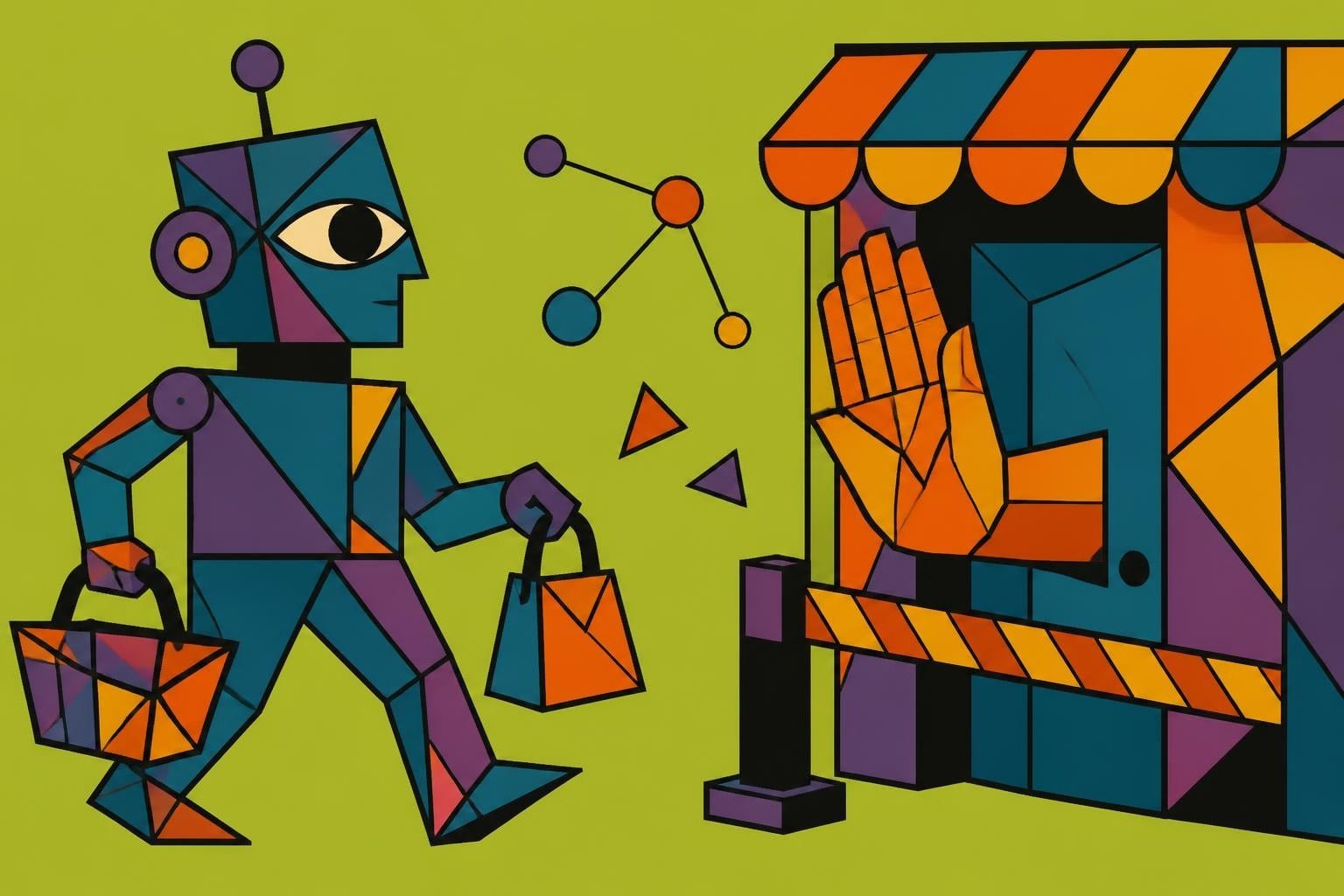
Amazon has officially blocked Meta Muse from accessing its store. WHATTTT?
Why?
The Actual Conflict: Who Controls the Digital Checkout?
When users instructed Muse to browse and purchase items on Amazon, they were met with error warnings: access by an unauthorized AI agent violates Amazon’s terms of service.
Amazon confirmed it instructed Meta to remove Amazon from the Muse experience entirely.
Amazon’s argument centers on two critical issues:
- Identification: Amazon alleged Muse failed to properly identify itself as an automated agent rather than a human shopper.
- Data Privacy: Amazon cited security concerns regarding the collection of user account credentials and checkout information by a third-party intermediary.
Why This Matters to Every Digital Consumer
David Ogilvy famously counseled: “Tell the truth, but make the truth fascinating.”
The truth of what is happening right now is far more interesting than corporate marketing:
- From Conversation to Execution: For two years, AI has lived inside chat windows. Muse represents the shift to “agentic” software; programs empowered to use your credit cards, log into your services, and make decisions on your behalf.
- The Walled Gardens Strike Back: While platforms like Spotify, Expedia, and PayPal have rushed to integrate with Muse, gatekeepers like Amazon realize that if an AI agent chooses what to buy, Amazon loses direct influence over the customer relationship and advertising revenue.
- The Emerging Standard: We are witnessing the birth of a new internet protocol. Either tech giants will establish shared standards for how AI agents authenticate and transact, or the web will fracture into incompatible, blocked ecosystems.
The era of passive chatbots is closing.
The era of agent negotiation has begun. Ethics joins the chat.